The four things nobody tells you before you sign
You have found the space. The light is good, the rent seems fair, and the agent is already talking like you have said yes.
This is the part where most people sign whatever is put in front of them and find out what it actually means eighteen months later, usually at the worst possible time, usually on a Friday.
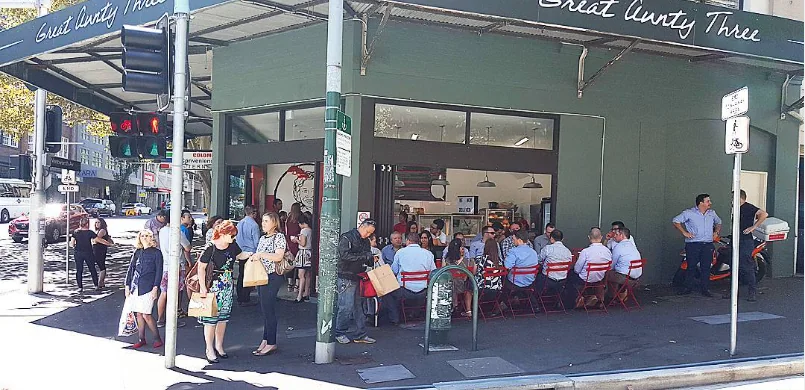
I signed my first lease in 2011, a shopfront in Enmore. Spent about $180,000 getting Great Aunty Three ready, closer to $200,000 once everything was counted. I sold a property, used my savings, took out loans, and my mother put in $20,000 of her own money. It was the first money in, and most of what she had. I opened in August 2012 with nothing left in the tank. No working capital. I found out what that costs you within the first three months, the hard way, like most of us do.
Years later I sat on the other side of the table for three years, managing commercial property for a landlord. Same clauses. Completely different read on them once you have seen how they get written.
1. Your lease term is a bet on who you will be in five years
In NSW, the Retail Leases Act 1994 covers retail leases from six months up to twenty five years, and inside that range the term is yours to negotiate, not the landlord's to dictate. Landlords like long terms because it locks in their income for longer. You should like a term that matches how long it actually takes your kind of business to turn a real profit, plus enough room to breathe once it does.
Nobody hands you this advice for free, because the person handing you the lease is the one who benefits from you signing longer than you need to. Read the term like you are placing a bet on your own future self, because that is exactly what you are doing. Future you would like a say.
2. A personal guarantee can outlive the business by years
Most first time operators do not clock the difference between a bank guarantee and a personal guarantee until it is far too late to matter. A bank guarantee ties up cash, commonly three to six months rent plus GST, sitting with the bank as security. Painful, sure, but it is capped, and it is the business's money doing the sweating.
A personal guarantee is a different animal entirely. You are putting your own name on the line, and if the business folds, that debt does not fold with it. It follows you home. The debt can run to the rent for the rest of the term, plus the make good, plus interest and costs. On a five-year lease that is not a scare figure. It is arithmetic, and it lands on the person who thought they were just signing paperwork.
If a landlord wants a guarantee, ask which kind, and ask why it cannot be a bank guarantee instead. It costs you nothing to ask. It might cost you everything not to.
3. The make good clause is where good businesses lose money on the way out
This is the clause everyone skims past, because it is about the day you leave, and on day one you are too busy picking paint colours to think about leaving. That is exactly the mistake. Make good obligations can range from fair wear and tear all the way up to full reinstatement, which for a cafe can mean ripping out counters and fixed equipment, making the plumbing and electrical safe, patching every hole you ever drilled, repainting, recarpeting, the lot. Full reinstatement can run into the tens of thousands of dollars, on top of everything you have already spent to get the doors open.
Get an entry condition report done properly when you move in, photos of everything, and try to negotiate a fixed make good figure into the lease itself rather than an open ended obligation you are signing blind on. It is a deeply unglamorous conversation to have on your most excited day. Have it anyway. Future you will thank present you, quietly, from a much less stressful position.
4. On rare occasions, a landlord will help with your fit-out. You will not know unless you ask
Most of the time you are paying for your own fit-out, full stop, no exceptions, no fairy godmother. But every so often, especially when a space has sat empty a while or the landlord wants a tenant who will actually make the place look good, they will offer something back. It might be a few months rent free, it might be a contribution toward the build. One published Australian example set out three months rent free plus a $20,000 contribution on a three year retail lease, but that is one deal that happened once, not a going rate, and plenty of landlords will offer you nothing but a firm handshake.
The point is not the number. It is that these terms exist and they are negotiable, and most first time operators never think to ask because nobody tells them it is even on the table. Landlords are not going to volunteer it out of the goodness of their hearts. Bring it up yourself when you are negotiating, and if you land anything at all, get the exact terms in writing, when it starts, how it is paid, and whether it gets clawed back if you leave early. A verbal yes from an agent is worth exactly nothing the day there is a dispute.
Questions operators ask me about this
How long should my first commercial lease term be?
The Retail Leases Act 1994 (NSW) covers retail leases of at least 6 months and under 25 years. Inside that range the term is negotiable. Match the term to how long it actually takes your kind of business to become profitable, plus room to breathe, rather than whatever term the landlord suggests first. More real numbers on what the first year actually costs are in the guide on cost to open a cafe in Sydney.
What is the difference between a bank guarantee and a personal guarantee on a lease?
A bank guarantee is capped, commonly 3 to 6 months base rent plus GST, and it is the business's money at risk. A personal guarantee has no such cap and follows you personally even if the business closes. The exposure can run to the rent for the rest of the term plus the make good, interest and costs, so ask which kind of guarantee is being asked for, and whether a bank guarantee can stand in its place.
What does a make good clause actually require when I leave?
Make good obligations range from basic repairs and fair wear and tear up to full reinstatement, which can mean removing counters and fixed equipment, making plumbing and electrical safe, repairing penetrations, repainting and recarpeting back to a base building state. Full reinstatement can run into the tens of thousands of dollars, so get an entry condition report done on day one and try to negotiate a fixed make good figure into the lease itself.
Will a landlord ever help pay for my fit-out?
Occasionally, particularly when a space has sat vacant or the landlord wants a strong tenant. One published Australian example set out three months rent free plus a $20,000 fit-out contribution on a three year retail lease, though that is a single deal rather than a standard offer. These incentives are negotiable and worth raising yourself, and any agreement should be recorded in writing with clear timing and clawback terms. The full numbers on rent as a share of turnover are in the guide on restaurant rent percentage of turnover in Australia.
Read it like the business plan it actually is
Nobody explained any of this to me in 2011. I found out the hard way, one expensive lesson at a time, the way most of us do, because nobody wants to be the one who ruins the excitement with a lecture about liability.
You do not have to learn it that way. Read the lease like it is the actual business plan, because in every way that matters, it is.
A plain word before you go. I am an operator, not a lawyer, and nothing here is legal advice. Every figure above comes from a public Australian source, linked below, and I have checked them, but your lease is its own animal and the law moves. Before you sign, pay a lawyer who reads retail leases every week to go through yours line by line. You are about to put your savings, your name and probably your family's patience on one document. An hour of someone else's eyes is not a cost. It is the first time you get to protect the thing you are building instead of just hoping.
Sources: Service NSW, leases for cafes, restaurants and small bars · Sprintlaw, bank guarantees · Sprintlaw, make good clauses · Sprintlaw, lease incentives.
If you are about to sign your first lease in Sydney and want a second set of eyes on it before you do, that is exactly what the Before You Sign review is for. One conversation, before the pen, not after.
If the numbers side of this is what you need next, the guides on cost to open a cafe in Sydney and restaurant rent percentage of turnover in Australia go deeper. The rest of the story is in the seven chapters, and the venue itself is here.